
How to Find Viral TikTok Products Before They Sell Out Leave a comment
Most people find viral TikTok products after the rush has already started. They see the tenth repost, click through, and hit the same frustrating message: sold out, backordered, or price increased.
That pattern is avoidable.
If you want the best chance of catching a product before inventory disappears, you need to stop shopping TikTok like a casual viewer and start reading it like a trend tracker. Viral products leave clues early. The clues are visible in comment language, repeat creator posts, rising hashtags, watch behavior, and how fast the same item begins appearing across different corners of the app.
A smart deal-hunting approach is not about guessing what might become popular someday. It is about spotting momentum while the product is still in the “just starting to spread” stage, then moving fast with enough discipline to avoid low-quality hype.
Why viral TikTok products sell out so fast
TikTok compresses the usual retail timeline. A product can go from unknown to impossible to find in a few days, and sometimes in less than 72 hours. That speed comes from a mix of algorithmic reach, creator repetition, and impulse-friendly pricing.
When a product video earns strong completion rates, rewatches, shares, and fast comments, TikTok keeps pushing it to new viewers. If the product is visually obvious, solves a small but relatable problem, and sits in an easy-to-justify price range, demand spikes almost instantly. Stock, of course, does not move that fast. Many brands and marketplaces carry lean inventory, so the viral moment outruns the supply chain.
This is why waiting for mainstream coverage is usually too late.
Early signals that a TikTok product is about to go viral
The earliest signs are rarely polished. A product often starts with a few strong videos, not hundreds. What matters is how those videos perform relative to the account posting them. A small creator suddenly pulling unusually dense comments and repeat shares is often more revealing than a large creator posting a standard sponsored clip.
You are looking for acceleration, not just popularity.
A product entering its breakout phase usually shows a few recognizable patterns:
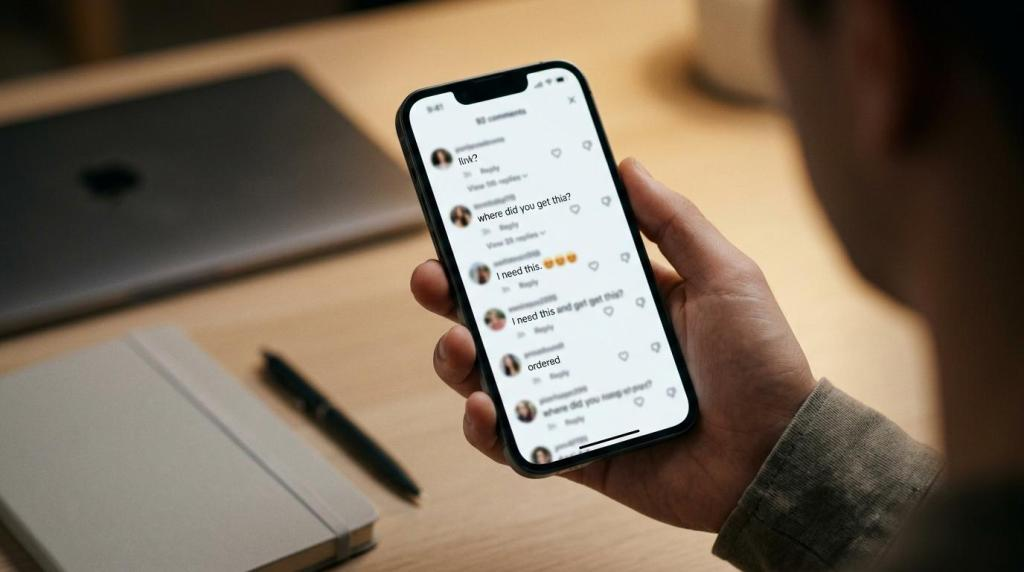
- Comment intent: viewers saying “link?”, “where did you get this?”, “I need this,” or “ordered”
- Repeat appearances: the same item showing up across multiple creators within a few days
- Strong watch behavior: demos that people replay because they want to see the result again
- Share-friendly format: before-and-after reveals, compact tutorials, ASMR unboxings, “didn’t expect this to work” reactions
- Unusual engagement density: high comments or shares compared with the creator’s normal baseline
A rising product also tends to spread through adjacent content styles. One video may frame it as a beauty shortcut, another as a morning routine upgrade, another as a travel essential. That cross-context flexibility matters because it gives the algorithm more ways to circulate the product.
When you see a product move from one-off mention to repeated social proof, the clock has started.
A daily TikTok product research workflow that works
The easiest way to miss viral products is to rely on random scrolling. A better approach is a short daily routine that turns discovery into a repeatable habit. You do not need hours. You need consistency.
Start with a few category searches that match the types of products most likely to go viral: beauty tools, wellness gadgets, home upgrades, portable tech, travel accessories, and practical “why didn’t I buy this sooner?” items. Then combine those categories with TikTok-native buying language like “hack,” “unboxing,” “dupe,” “Amazon find,” “TikTok made me buy it,” and “must have.”
A simple workflow can look like this:
- Search category keywords plus buying triggers
- Filter results to recent posts
- Save products that appear more than once
- Check comment quality, not just view count
- Look for a second wave of creator posts within 48 hours
- Compare availability and price right away
This method works well because TikTok trends rarely stay isolated. Once a product begins to catch on, it starts echoing through hashtags, affiliate clips, reposts, and “part two” content. If you keep a shortlist, even in a notes app, you can quickly see which items are building real momentum.
One more move helps a lot: train your algorithm. Interact with product demos, deal videos, TikTok Shop content, and niche reviewers in the categories you care about. Your For You feed becomes sharper over time, which gives you earlier visibility into products before the broader audience piles in.
TikTok trend tools and tracking platforms to use
Manual scrolling is useful, but it gets better when paired with a few tools. TikTok’s own Creative Center is one of the best places to check rising hashtags, sounds, and top-performing creative formats by region. It gives structure to what can otherwise feel chaotic.
Third-party trackers add another layer. TikTok’s own Creative Center is one of the best places to check rising hashtags, sounds, and top-performing creative formats by region. It gives structure to what can otherwise feel chaotic.
| Tool or source | Best for | What to watch | Why it matters |
|---|---|---|---|
| TikTok Creative Center | Native trend discovery | Rising hashtags, sounds, top videos | Good first check for momentum |
| TikTok hashtag search | Manual product hunting | #TikTokMadeMeBuyIt, #TikTokShopFinds, category tags | Finds early UGC before wider pickup |
| TikTok Shop trending lists | Commerce signals | Best sellers by category | Shows what is already converting |
| Brand24 or YouScan | Social listening | Product or brand mention spikes | Useful when interest spreads fast |
| Pentos | TikTok analytics | Creator, hashtag, and content trend movement | Helpful for pattern spotting |
| BigSpy, Minea, Sell The Trend | Ad monitoring | Fast-rising product ads | Reveals where paid spend is flowing |
| Google Trends | Search confirmation | Broader search lift outside TikTok | Confirms whether interest is crossing platforms |
No tool replaces judgment. Tools are filters. The real edge comes from pairing data with human taste, which is exactly what curated deal discovery should do well.
How to judge TikTok engagement before everyone else buys
A million views can be impressive and still tell you very little. Some videos collect passive attention. Others trigger buying behavior. The difference shows up in the engagement mix.
Comments that signal intent matter more than generic praise. “Cute” is weak. “Does this actually work?” is stronger. “I bought two,” “need this for my desk,” and “why is this sold out everywhere?” are the comments that should make you stop scrolling.
The same goes for shares and rewatches. Products that solve a visible problem often get replayed because viewers want to confirm what they saw. Think stain removers, posture tools, scalp massagers, sunset lamps, compact steamers, sleep masks, or aesthetic power banks. If the product benefit can be grasped in three seconds and proven in fifteen, it has strong viral potential.
A useful rule: engagement quality beats vanity metrics.
How to vet viral products for quality and value
Speed matters, but blind speed is expensive. Not every viral item deserves your money, your trust, or your recommendation. Some products go viral because they are novel on camera, not because they hold up in daily use.
Before buying or featuring a viral product, run a quick quality check. Look beyond the TikTok clip. Search reviews on major marketplaces, Reddit threads, YouTube shorts, and product forums. If available, compare listings across different sellers to spot inflated pricing, suspicious claims, or obvious white-label variations.
A strong vetting checklist includes:
- Review consistency: do reviews agree on the product’s main benefit?
- Price spread: is one seller charging far above the normal market range?
- Claim realism: does the promised result sound possible, or just attention-grabbing?
- Seller credibility: are shipping times, ratings, and return policies clear?
- Repeat satisfaction: do buyers mention using it again after the first week?
This matters even more with wellness, beauty, and self-care products. A red light mask, infrared belt, cryotherapy tool, or ultrasonic cleanser may look compelling in a quick demo, but usefulness and safety still need a sober review.
Good deal hunters move quickly, but they do not confuse urgency with carelessness.
TikTok product categories that often spike first
Some product categories are built for TikTok because they create instant visual payoff. They show well on camera, fit into routines, and feel affordable enough for impulse buying.
Right now, categories that often move fast include wellness and recovery tech, beauty devices, smart home aesthetic items, minimalist desk gear, compact travel products, and portable power accessories. These categories combine function with visual appeal, which is a strong formula on a video-first platform.
A product does not need to be new to go viral. It just needs a new angle.
That is why a familiar object can suddenly feel urgent when framed as a dorm upgrade, a “desk setup essential,” a carry-on must-have, or a budget-friendly luxury look. A curated shopping lens helps here because it filters noise and highlights products with both trend energy and actual value.
What to do when you spot a viral product early
Once the signs are clear, do not wait for perfect certainty. Viral shopping rewards decisive action.
Check stock immediately across two or three trusted sellers. Compare pricing. Save the listing. If the product fits your budget and passes a quick quality review, buy before the third or fourth wave of reposts hits. If you are tracking products for content, merchandising, or a deal roundup, publish while the trend is still rising, not after it peaks.
The best opportunities on TikTok do not stay hidden for long. They show themselves in patterns, and the people who win are usually the ones paying attention before everyone else starts asking for the link.
