
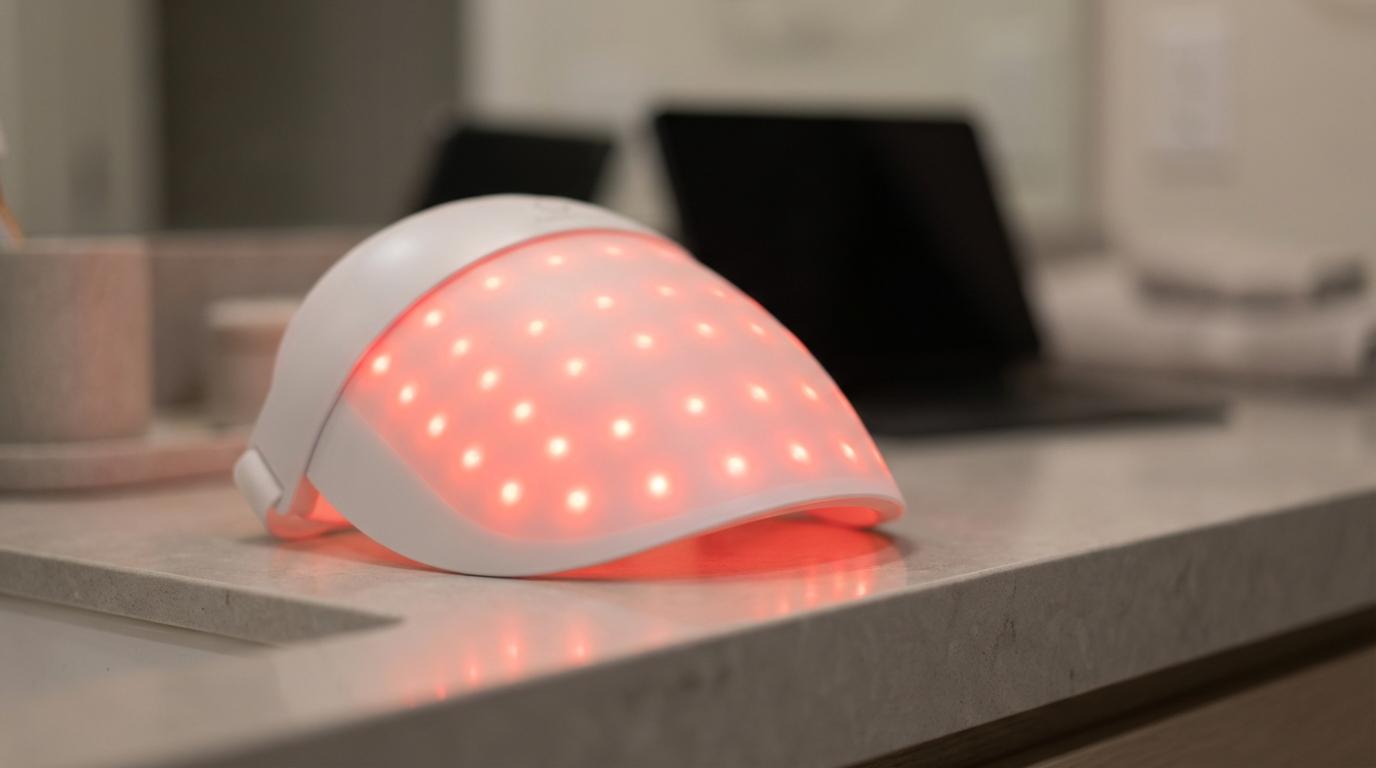
Red Light Therapy Mask Deals: Shop Trending Picks for Less Leave a comment
A strong skincare device does not have to come with a luxury-level price tag. When the right sale appears, red light therapy masks can move from wish list territory into a smart, confident purchase.
That is why deal-focused shoppers keep a close eye on this category. A good offer is not only about saving money. It is about getting the look, features, and treatment modes people want without spending weeks comparing tabs, chasing expired codes, or guessing which listing is actually worth the click.
Why this category gets so much attention
Red light therapy masks sit at the intersection of beauty tech and practical self-care. They feel current, they fit neatly into at-home routines, and they often promise features once reserved for clinic settings or premium devices. That mix makes them especially attractive when discounts hit.
The price spread is also wide enough to create real opportunities. Entry-level options can land near impulse-buy pricing during flash promotions, while better-known masks sometimes drop by enough to make a premium model feel far more reachable.
On a curated deals platform, that matters. Shoppers want fewer choices, better filtering, and a cleaner path to the products that look credible and priced right.
What recent deal ranges tend to look like
Recent market activity shows a broad range of sale prices, from budget-friendly generic masks to premium branded models. The exact numbers move with seasonal events, coupon windows, and stock levels, though the pattern is fairly consistent.
| Deal Tier | Typical Sale Range | Common Discount Range | What You’ll Usually See |
|---|---|---|---|
| Budget masks | $50 to $60 | 40% to 55% off | Basic red light modes, generic branding, short-term coupons |
| Mid-range masks | $57 to $73 | 30% to 43% off | Better styling, more mode options, broader marketplace visibility |
| Premium masks | Around $250+ | 25% to 35% off | Stronger brand recognition, more polished product pages, higher original pricing |
This spread is exactly why curation helps. A 50% markdown can be excellent, or it can simply reflect an inflated original price. A 30% cut on a respected model may offer better long-term value than a deeper discount on a vague listing with weak specs.
What makes a red light mask worth buying
Price gets attention first, yet value lives in the details. The best offers combine a meaningful discount with useful treatment settings, clear product information, and seller terms that do not leave the buyer guessing.
Before adding any mask to cart, it helps to check the core features that actually affect performance and usability.
- Wavelength range: Red light around 630 to 670 nm is commonly sought for skincare use, and some masks also include near-infrared options.
- Coverage: Full-face fit matters more than flashy packaging.
- Treatment modes: Adjustable settings, timers, and mode selection make routine use easier.
- Eye comfort: Built-in shielding or clear eye-safety guidance is a must.
- Power setup: Rechargeable controllers and practical battery life tend to feel more convenient over time.
- Claims language: Be cautious with listings that make sweeping medical promises.
A smart shopper also looks for signals of credibility. Clear photos, readable specifications, realistic benefit claims, and consistent pricing across channels all point to a better buying experience. When details are vague, the discount alone is not enough.
Trending picks usually fall into three shopper lanes
Some buyers want the lowest entry price possible. Others want the best balance of quality and cost. Then there are those waiting for a rare premium markdown on a mask they already recognize. Each group shops differently, and a good deal site should support all three.
Budget hunters are often drawn to generic LED face masks that dip into the $50 range with one-time coupon codes. These can be appealing when the listing shows actual wavelength details, timer settings, and enough product imagery to support the claims.
Mid-tier shoppers tend to focus on masks in the $57 to $75 range. This is often where style, usability, and price start to feel balanced. Listings may mention multiple light modes, cleaner design, or a more polished charging setup.
Premium buyers are usually less impressed by giant percentage-off banners and more interested in whether a high-end mask has dropped enough to feel sensible. A premium model at roughly one-third off may be more compelling than a no-name device at half price.
How curated deals save time
The internet is full of lookalike listings. Many use nearly identical photos, broad benefit claims, and inconsistent specs. That makes simple price comparison less useful than it sounds.
A curated approach helps by trimming out the clutter first. Instead of sorting through dozens of nearly interchangeable masks, shoppers can focus on a narrower set of options that match current demand, visual quality, and real discount potential.
That shift matters because people do not just want a cheaper mask. They want a better short list.
Deal-site promotions can be helpful, but read the fine print
Red light therapy mask promotions often come with countdown timers, stackable savings, or one-time coupon codes. Those tools can create a genuinely strong buy, especially when a sale price and promo code work together.
Still, beauty devices often come with tighter return rules than standard home goods. That is especially true when items are sealed, considered personal-use products, or shipped by third-party sellers.
- Flash coupons
- Limited-time pricing
- Bundle kits
- Stock alerts
- Unopened-item return limits
- Customer-paid return shipping
Shipping windows can also be longer than shoppers expect. Some deals are fulfilled quickly, while others may take two to four weeks depending on warehouse location. If a mask is intended as a gift or part of a time-sensitive routine, delivery timing should be checked before purchase, not after.
How to spot a real bargain instead of a flashy listing
A real bargain usually survives basic comparison. The sale price should make sense next to major retailers, the claimed original price should look believable, and the product page should answer more questions than it creates.
That means checking whether the discount is being applied to a commonly sold market price or to an inflated number that exists only to make the sale look dramatic. It also means scanning reviews carefully. Repeated complaints about fit, battery failure, poor instructions, or missing support should not be brushed aside just because the offer looks good.
When available, look for seller transparency as well. Product pages that clearly explain shipping, return policy, warranty coverage, and contact method tend to inspire more confidence than pages built entirely around urgency.
A short checklist before you buy
The fastest way to shop well is to pause for a one-minute review of the listing. That small step can save money and frustration.
- Specs first: Check wavelengths, modes, timer settings, and power details.
- Price check: Compare the sale against at least one or two other reputable sources.
- Policy review: Read return, shipping, and warranty terms before checkout.
- Claim check: Treat “FDA approved” language carefully and look for clearer device information when relevant.
- Payment safety: Use a checkout method with buyer protection.
This is where curated shopping earns its place. Instead of spending hours tracking codes or sorting through generic beauty tech pages, shoppers can focus on offers that feel current, useful, and reasonably vetted.
Red light therapy masks will likely stay a high-interest category because they fit the way people want to shop now: design-conscious, results-aware, and price-sensitive all at once. When a strong offer appears, the best move is simple. Check the specs, verify the markdown, read the policy, and grab the one that gives you the most confidence for the money.
