
How to Choose a Smart Diffuser That Actually Looks Good in Your Space Leave a comment
A smart diffuser is one of those rare home products that has to succeed in two jobs at once. It needs to work well as a scent device, and it also needs to look like it belongs in the room even when it is switched off.
That second part gets ignored all the time.
Many shoppers focus on app controls, tank size, or voice commands, then end up with a glossy plastic gadget that feels disconnected from the rest of the space. A better approach starts with the room itself. Once you know the visual language of the space, it becomes much easier to choose a diffuser that feels intentional, not random.
Match smart diffuser design to your room style
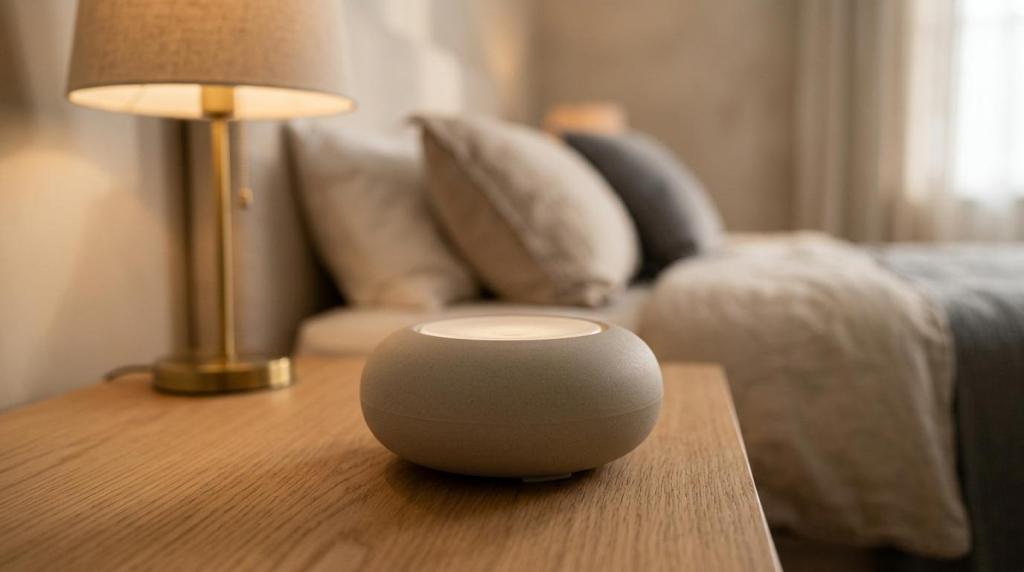
A diffuser should echo the forms, finishes, and tone already present in the room. If your space leans minimalist, a compact diffuser in matte white, soft beige, stone gray, or ceramic usually looks calm and integrated. If your home has warmer textures, wood grain, faux stone, smoked glass, or brushed metal can feel more natural.
Size matters just as much as finish. A large 500 mL diffuser on a narrow bedside table can look bulky even if the material is beautiful. A tiny sculptural diffuser in a large open living room may look elegant up close but visually disappear from across the room. The right scale makes the whole setup look expensive.
Shape is a quiet but powerful design choice. Rounded pebble forms soften a room. Cylinders look clean and contemporary. Hand-blown glass or fireplace-style diffusers can act as decorative accents, though they work best when the rest of the room already has a more expressive style.
A quick visual filter can save a lot of time before you even compare features:
- matte ceramic
- soft neutral tones
- natural-looking textures
- low-profile silhouettes
- visible buttons kept to a minimum
Here is a simple way to match style and function before you buy.
| Room style | Best smart diffuser look | Lighting approach | What to avoid |
|---|---|---|---|
| Minimalist | Matte white, ceramic, simple cylinder or dome | Warm white or lights-off option | Shiny plastic, loud RGB by default |
| Scandinavian | Light wood tone, soft gray, rounded shape | Soft amber or dimmable white | Heavy black gloss or mirrored surfaces |
| Modern | Black, white, metallic accents, clean lines | Adjustable white or controlled color scenes | Busy patterns, faux natural textures that look artificial |
| Eclectic | Glass, sculptural forms, statement colors | Full RGB can work well | Overly plain models that disappear unintentionally |
| Spa-inspired | Stone-like finish, pebble shape, muted palette | Soft warm glow | Harsh blue LEDs or loud fan noise |
Compare smart diffuser types for looks and performance
Before falling for a shape or finish, check what kind of diffuser it is. The internal method affects the noise level, scent strength, runtime, and even how refined the product feels in daily use.
Ultrasonic smart diffusers are the most common choice for people who want both style and practicality. They use water and essential oil, often run quietly at roughly 25 to 35 dB, and come in the widest range of finishes. Many double as light humidifiers, which can be a bonus in bedrooms or offices.
Cartridge-based smart diffusers look cleaner and require less hands-on maintenance because there is no water tank. They often feel more polished in modern spaces, though the scent refill system may lock you into a specific brand. Nebulizing models can deliver stronger fragrance, but they are often louder and more utilitarian in appearance.
| Diffuser type | Visual strengths | Typical noise level | Maintenance level | Best fit |
|---|---|---|---|---|
| Ultrasonic | Wide style range, easy to find attractive designs | Low | Moderate | Bedrooms, desks, small living areas |
| Cartridge or pod-based | Sleek and tidy, less visual clutter | Very low | Low to moderate | Hallways, entryways, modern living spaces |
| Nebulizing | Premium glass or technical look | Medium to high | Moderate | Large rooms where strong scent matters most |
| Fan-based | Slim tower or discreet rectangle | Medium | Low | Medium to large spaces, less style-driven setups |
Check smart diffuser noise, runtime, and scent output
A diffuser can look perfect on the shelf and still disappoint within a day if it is too loud or too weak. Quiet operation matters more than many buyers expect because diffusers often run while you sleep, work, read, or watch TV.
For a bedroom or home office, aim for ultrasonic models labeled whisper-quiet or ultra-quiet. In practical terms, about 25 to 35 dB is a comfortable target. Fan-based and nebulizing units often land closer to 40 to 50 dB or more, which may be acceptable in an entryway or open living room, but less welcome beside the bed.
Scent output should match the room, not your hopes. A small diffuser in a large open-plan room often forces you to run it at maximum intensity, which can shorten runtime and create an uneven scent experience. A 100 to 150 mL tank is usually enough for a smaller bedroom. Larger spaces often need 250 to 500 mL capacity or a cartridge model built for broader coverage.
A few feature checks can keep you from buying the wrong model:
- Noise rating: Aim lower for bedrooms and work zones
- Tank size: Match the room instead of buying by price alone
- Mist settings: High and low modes are better than one fixed output
- Runtime: Eight to twelve hours is useful for overnight use
- Auto shut-off: Non-negotiable for safety and peace of mind
Choose smart diffuser lighting that supports your decor
Lighting can make a diffuser feel refined or instantly make it look cheap. That sounds harsh, but it is true.
If your room already relies on lamps, sconces, or indirect lighting, the diffuser should not compete with them. A warm white glow, adjustable brightness, or a complete lights-off option is usually the most flexible setup. Strong cycling colors can feel playful in a gaming room, dorm, or kids’ space, yet look out of place in a calm bedroom or polished living room.
Smart diffusers with RGB lighting are still worth considering if the app lets you save a single color, reduce brightness, or disable the light while scent continues. Control matters more than the existence of the light itself.
Use room size and placement to keep the diffuser looking intentional
Placement changes both performance and appearance. A diffuser should feel anchored, not squeezed into leftover space between chargers, remotes, and water glasses.
It also needs airflow around it. Pushing a diffuser into a crowded shelf corner can distort the mist path, trap residue on nearby surfaces, and make the object look like an afterthought. Give it enough visual breathing room to read as part of the decor.
A few placement rules tend to work in most homes:
- Nightstand: Choose compact forms with low noise and lights-off control
- Entry console: Pick a sculptural design with medium scent throw
- Living room shelf: Favor a finish that echoes nearby vases, lamps, or frames
- Home office desk: Keep the footprint small and the lighting subtle
- Bathroom counter: Prioritize easy-clean surfaces and moisture-friendly materials
Pick smart home features you will actually use
The word “smart” can add cost quickly, so it helps to be honest about what will matter after the first week. App control is useful when it lets you do three things well: schedule scent sessions, adjust mist intensity, and manage lighting without touching the unit.
Voice control makes sense if the diffuser is part of a larger home setup. If you already use Alexa, Google Home, or HomeKit routines, a compatible diffuser can become part of a morning, evening, or wind-down scene. That is more than novelty. It turns fragrance into an environmental cue, which is where smart home products feel most worthwhile.
If you do not use a voice assistant, a stable app with a fast manual override may be more valuable than broad ecosystem support. A weak app can ruin an otherwise attractive product.
Make cleaning and refilling part of the design decision
A diffuser only looks good long term if it is easy to keep clean. Essential oil residue, water spots, and sticky lids can make even a beautiful model feel neglected fast.
Wide openings, lift-off tops, smooth interior walls, and removable tank parts make a real difference. Water-based diffusers need regular wiping and periodic deeper cleaning to prevent buildup. Cartridge systems reduce mess, though they trade that convenience for ongoing refill costs.
This is where many style-first shoppers make the smartest choice: they reject a gorgeous but fussy design in favor of one that still looks good and takes less work. That is not settling. That is good product judgment.
Balance premium materials against everyday practicality
Ceramic, glass, and stone-look diffusers often photograph beautifully and can feel more substantial than lightweight plastic. They suit shelves, consoles, and styled corners where the diffuser will stay visible.
Still, those materials come with trade-offs. Glass can be fragile. Heavier ceramic bodies are harder to move for cleaning. Sculptural designs may sacrifice tank size, runtime, or refill ease. Meanwhile, a well-designed plastic diffuser in matte white or soft beige may look quieter in the room and work better every day.
That balance usually decides the best buy.
If you want the diffuser to act like decor first, a premium finish may be worth the shorter runtime. If you want it to run overnight or cover a larger room, a simpler model with stronger function may be the smarter choice.
Build a smart diffuser shortlist in five minutes
A fast shortlist works better than scrolling through dozens of similar listings. Start by choosing the room, then choose the finish, then check the function.
Here is a useful order of operations:
- Pick the room where the diffuser will live most of the time.
- Match the finish to nearby materials and colors.
- Set a minimum runtime based on when you will use it.
- Filter for quiet operation if the room is for sleep or work.
- Keep only models with easy cleaning and auto shut-off.
- Add smart integration only if it fits your existing setup.
That process keeps appearance and performance in balance. It also protects you from buying a diffuser because the product page looks impressive while the actual object feels wrong for your home.
The right smart diffuser should do more than release fragrance. It should support the atmosphere you want, look natural in the room, and feel easy to live with day after day. When those pieces come together, the product stops feeling like a gadget and starts feeling like part of the space itself.
